Gastronomias, Rosticcerias & Caffès, Florence’s Everyday Luxury Lunch
Why I Love Gastronomias in Florence
Possibly my favorite type of food establishment in Italy, the gastronomia is something you’ll find everywhere — from big cities like Florence to the smallest villages. It’s a uniquely Italian concept that blends a deli, gourmet food shop, and casual eatery all into one, and it’s exactly why locals love it so much. Truly, the ultimate one-stop shop.
Need a quick lunch? Done.
Want to grab a great bottle of wine to take home? Easy.
No time to cook dinner? Problem solved.
The word gastronomia comes from gastronomy, meaning the art and science of good eating — which happens to be one of my favorite pastimes. So it’s no surprise that I have a serious soft spot for these perfect little places.
What You’ll Find Inside a Gastronomia
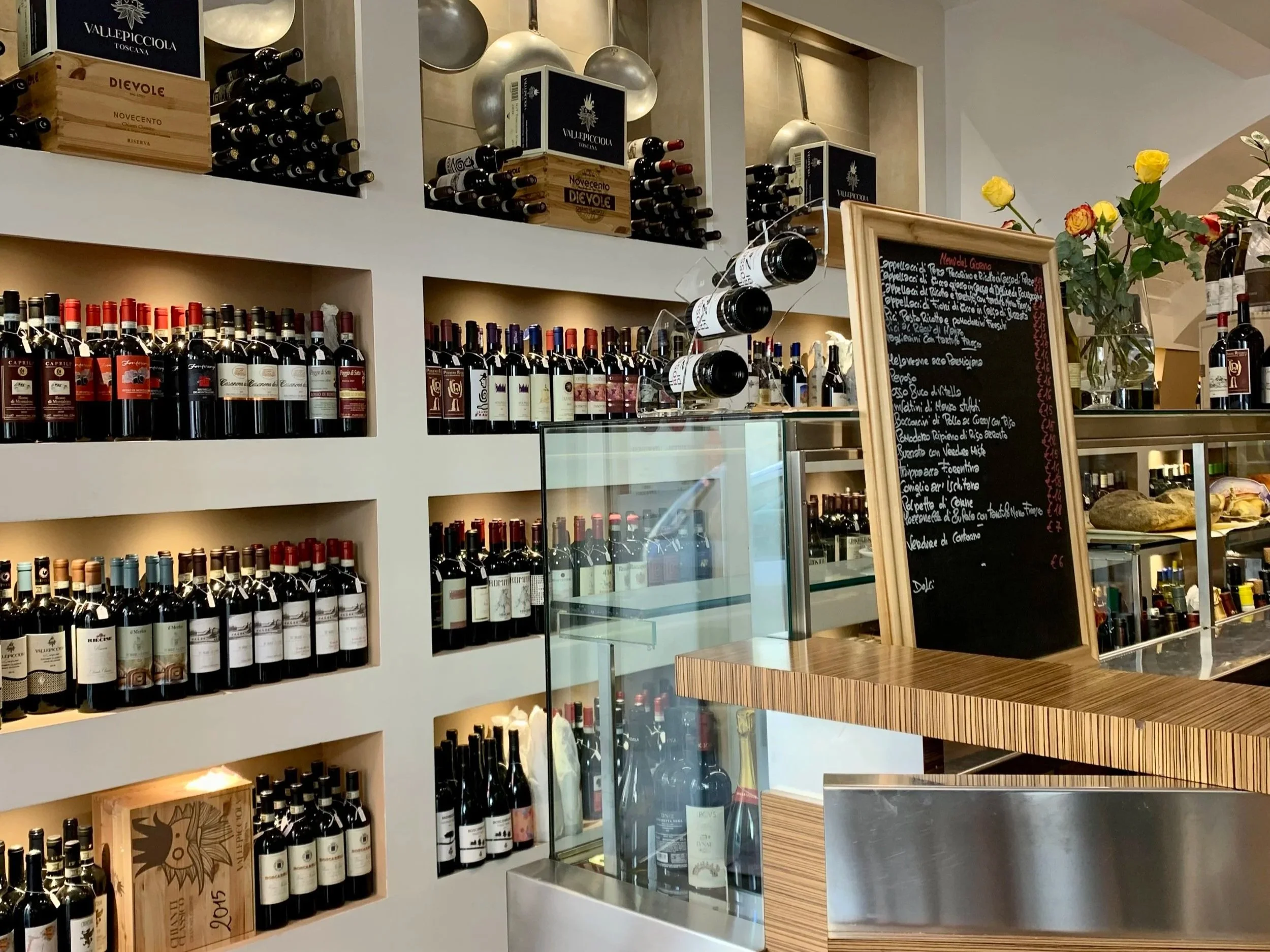
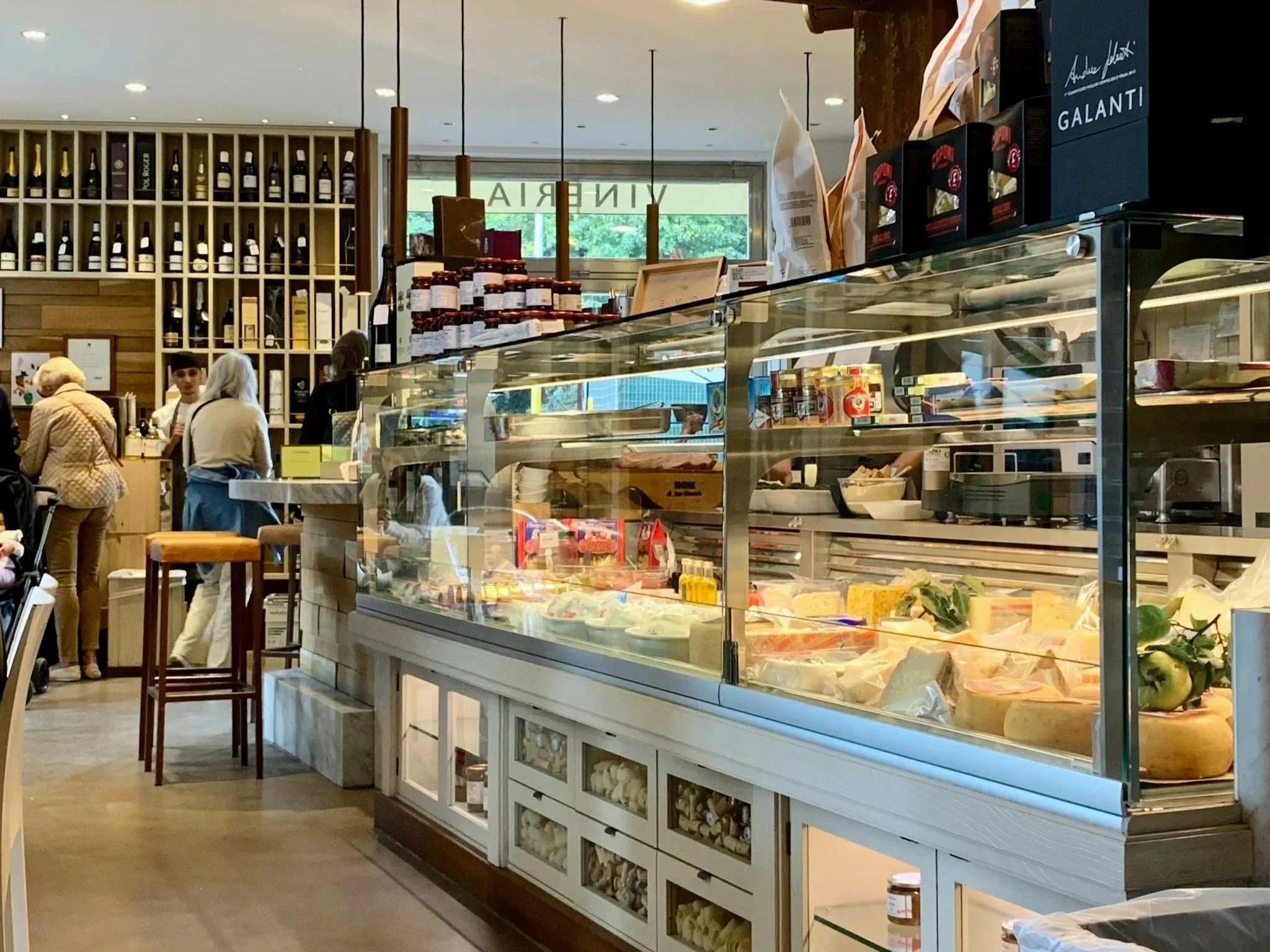
A good gastronomia offers a wide selection of high-quality, regional products: cured meats, cheeses, fresh pasta, sauces, specialty ingredients, and — my personal favorite — wine. Many showcase local dishes that reflect the culinary identity of the area. For example, in Florence you’ll almost always find pappa al pomodoro in gastronomias, while it can be surprisingly hard to find in other parts of Tuscany.
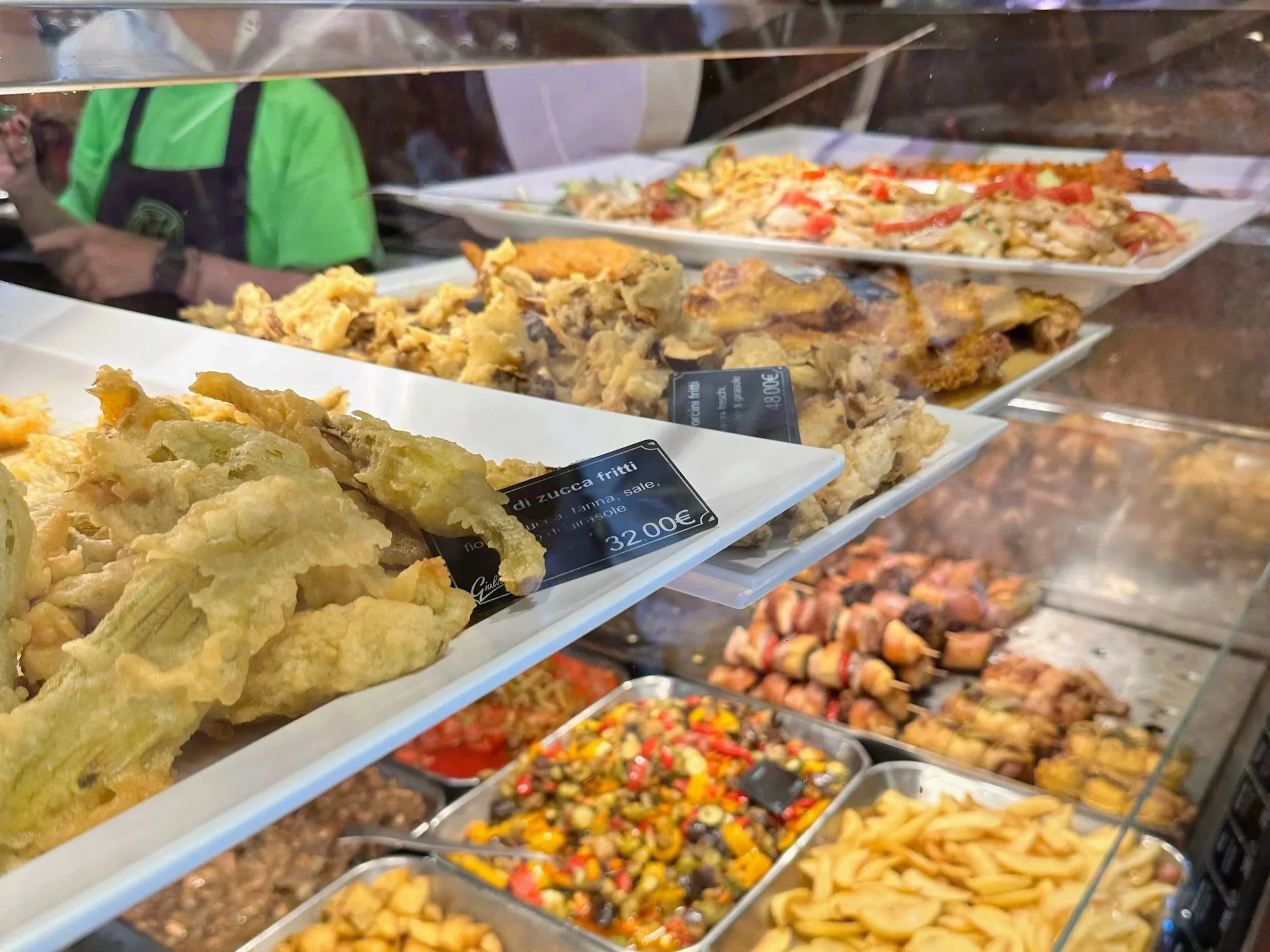
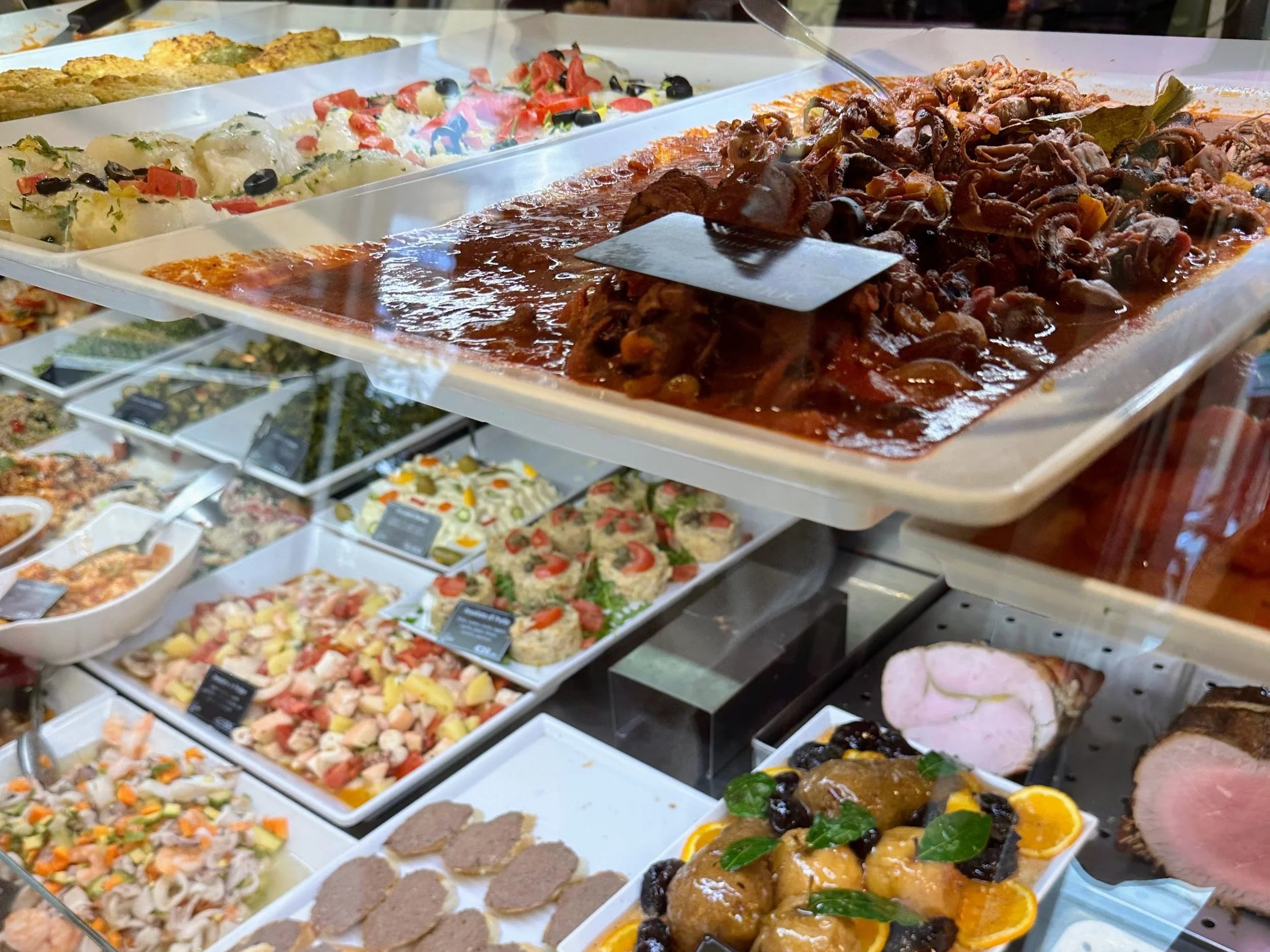
Most gastronomias also prepare fresh, ready-to-eat dishes using local ingredients, and many have a small seating area where you can enjoy your food on the spot. In the more traditional style, you’ll order directly at the counter — staring at a display so beautiful it’s almost overwhelming (this is always the hardest part for me).
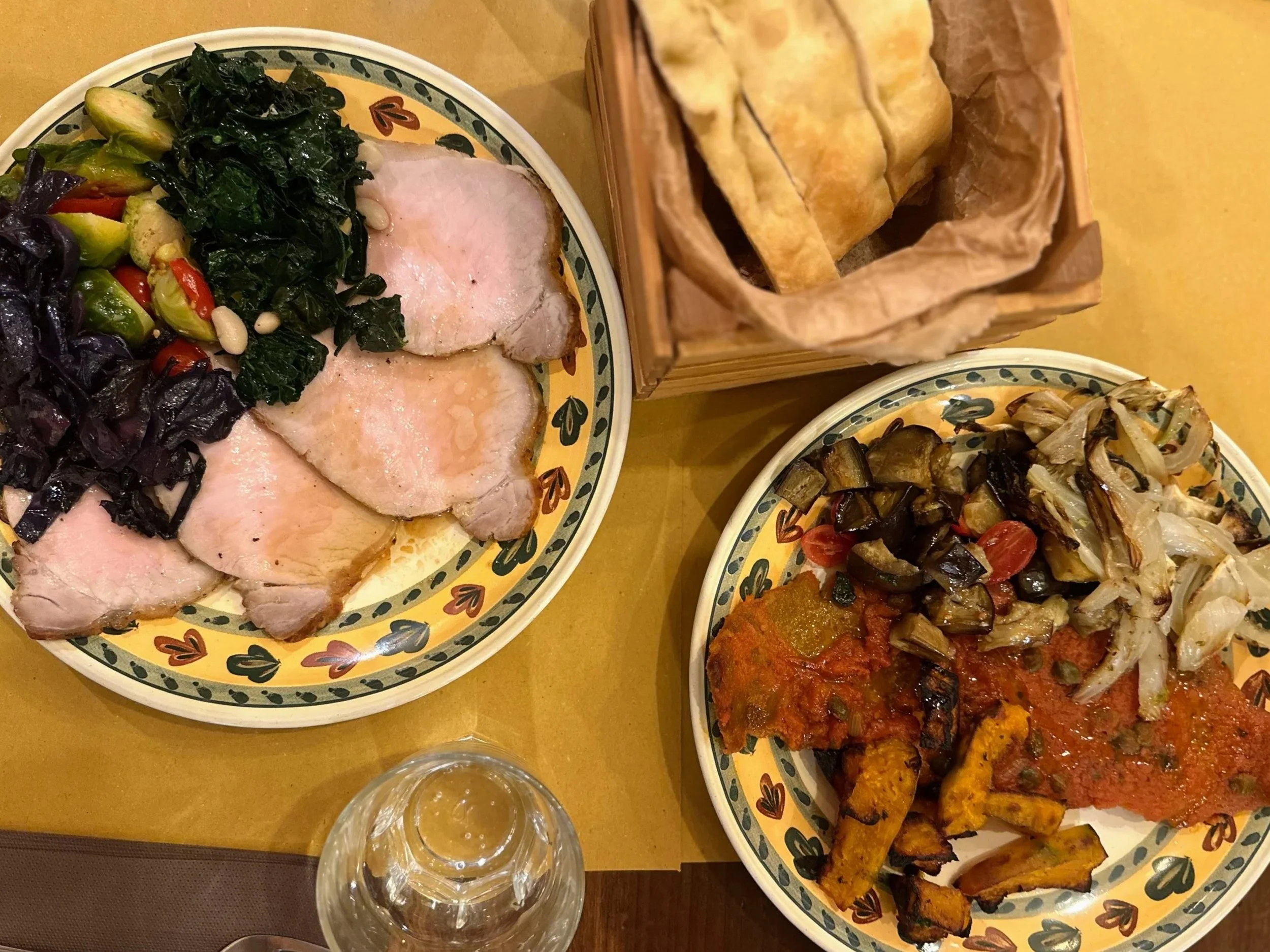
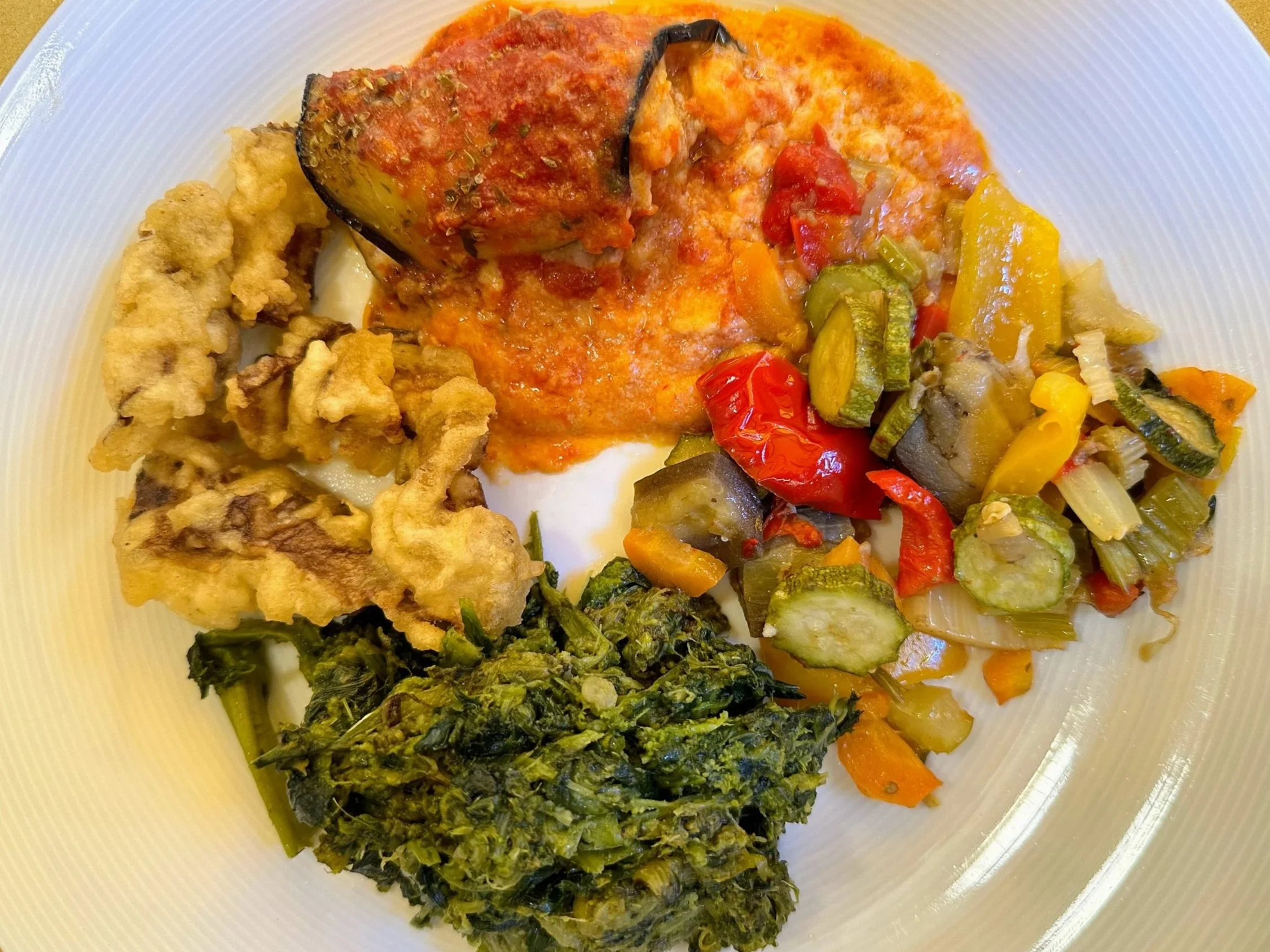
With help from the staff behind the counter, you can choose one dish or ten and build your perfect plate. I love this style of eating because it lets me try lots of different flavors instead of committing to one large portion. It’s also ideal if you’re dining with friends who all have different levels of hunger.
You will also always find many veggie options available in these establishments which makes it a great break from the carb and meat centric menus you find in many restaurants here. Often I will opt for a plate full of just veggies for lunch.
Service is casual and efficient. You might be brought your plate if it’s a larger place, but don’t expect formal table service — the focus is on good food, done well, without fuss.
Some gastronomias have evolved into something closer to fine dining, and one of my absolute favorites in Florence is Zeb Gastronomia — which anyone who’s ever asked me for food recommendations already knows. But even with the elevated service you still feel somewhat casual, sitting at a bar and always have the opportunity to choose a bottle of wine from the wall to take home with you.
Gastronomia vs. Rosticceria — What’s the Difference?
You’ll often hear the word rosticceria used alongside gastronomia, and while they’re similar, there is a distinction. A rosticceria focuses primarily on hot, cooked foods, often roasted or fried — think roast meats, vegetables, lasagna, and other comforting classics meant to be eaten right away or taken home.
A gastronomia, on the other hand, is broader in scope. Along with prepared dishes, it offers raw and cured products, specialty ingredients, wine, and pantry staples. In short, a rosticceria feeds you now, while a gastronomia feeds you now and later.
How Italian Caffès Turn Into Lunch Spots
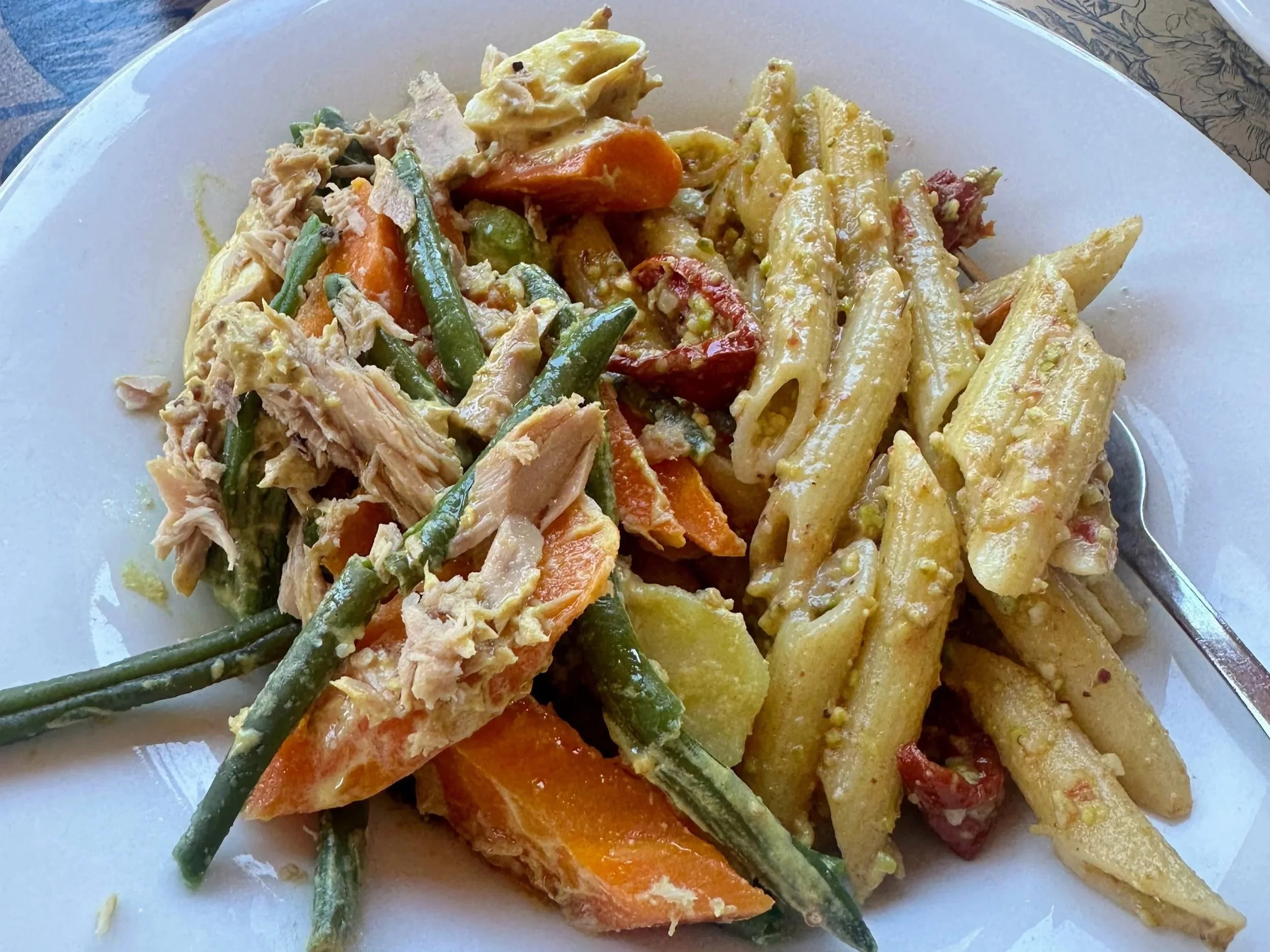
Another very Italian food experience is how caffè transform at lunchtime. While tourists often associate caffès only with coffee and pastries, many Italian cafés offer a surprisingly good lunch service.
At lunch, cafés may serve:
Pasta dishes
Salads
Panini and tramezzini
Hot daily specials
This is particularly common in smaller towns or busy neighbourhoods, where a caffè becomes a casual lunch option for locals who want something quick and affordable. It’s not unusual to see office workers eating pasta at the same bar where they had their espresso a few hours earlier.
Why Locals (and Smart Travelers) Love Them
These Italian eateries are beloved by locals and travelers alike because they offer an authentic way to eat well without the formality of a restaurant. They celebrate quality, freshness, and regional tradition — all in a setting that’s welcoming, relaxed, and deeply Italian.
If you want to eat lunch like a local in Florence, skip the tourist menus and step into a gastronomia, rosticceria or caffè. Trust me — it’s one of the best meals you’ll have.